
Long Live the King!
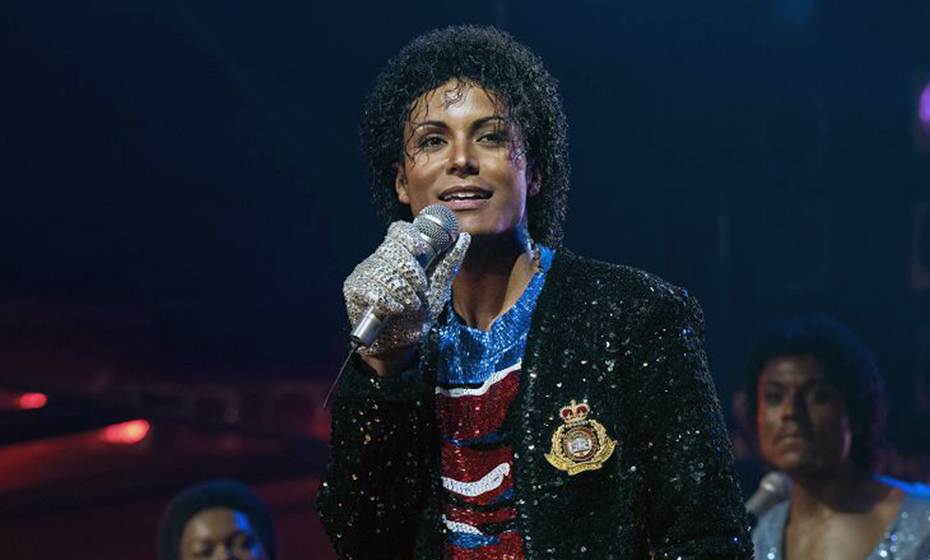
The pre-production phase of the Michael feature film caused quite a stir in film circles when it was announced several years ago. This was seen both among the singer’s fans and the wider audience. At the same time, the film was both anticipated and unexpected. Because portraying a human being on screen within this scale and format is exceedingly difficult, even impossible. Michael Jackson cannot be defined simply as a singer. To embody all of these qualities in a single characterization of the figure who was a composer, a dancer, an arranger, a poet, a painter, and a philanthropist lies beyond the capabilities of most actors. The actor must internalize all these qualities mentioned above, attune himself to Michael’s inner world and be able to have a sense of empathy for him. When Michael Jackson’s nephew, Jaafar Jackson, was cast as the leading role, my view is unequivocal on the decision like many people throughout the world. However, the film’s fantastic success to date – the highest-grossing biographical film in the history of world cinema (earning US$978 million at the global box office) – attests that both the casting decision and the project’s planning were properly conceived. As someone who has admired Michael for more than 40 years, I decide to divide this article into two parts because of its being difficult to express objective opinion about the film: I will share my thoughts both as an admirer of Michael Jackson and a film critic.
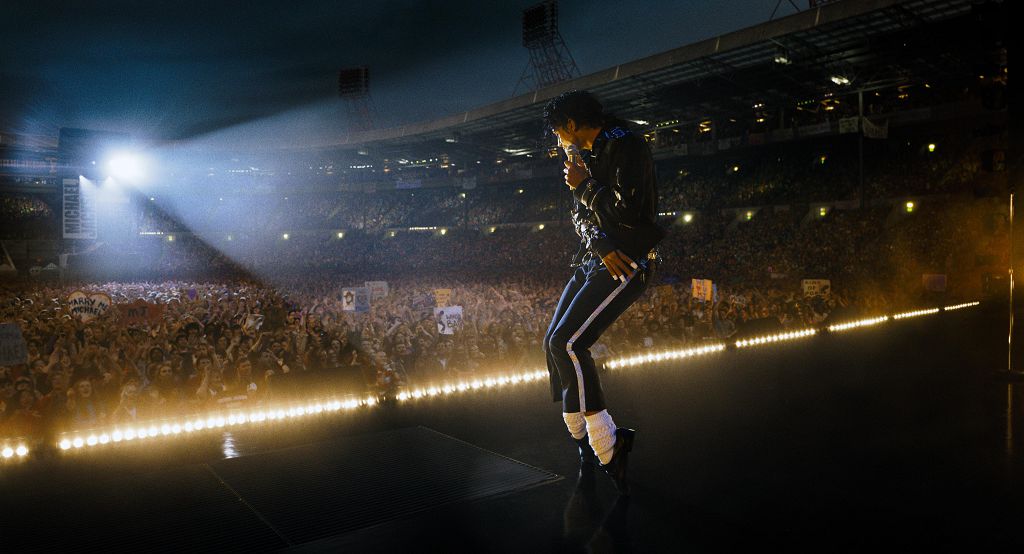
Actually, “Michael” was to be released in November 2025. The film’s current ending, the third act, was intended to be completely different. The film director, Antoine Fuqua, emphasized this once again in a post-premiere interview. The rewriting and reshooting of the film’s ending led to the postponement of its release. Two days before the film’s world premiere, Rotten Tomatoes (an influential film review website) and other film websites gave it very low rating. These platforms supported their argument with the film’s weak artistic merits, the idolization of Michael Jackson and his overall sanitized depiction. It was also noticed that the film is uncompleted and generally lacks the ending. Initially, I should note that the film will have sequel. Michael’s life and creativity were portrayed up to 1988. The second part is recently in the process of pre-production. Jaafar Jackson mentioned this in his interview. It is worth noting that Michael Jackson died at just 50 years of age and had a remarkable 45-year career on stage as a singer, having started to perform at the age of five. It is impossible to encompass all within a two-hour film. For this reason, the filmmakers depicted only on the period of Michael Jackson’s life up to 1988, culminating in his first Bad World Tour as a solo artist. I agree with the film critics in some respects. The events in the movie are rather “hastily”. The film leaves no “breathing room” between Michael Jackson’s childhood, adolescence and adulthood, and the events in the film unfold rapidly. Michael “grows” up too quickly; the transitions between his life stages are rushed. Michael’s creative process, the development of songs, short films, choreography and other artistic works are scarcely explored. The film only captures the tip of iceberg. Furthermore, some facts were distorted. Michael’s transition to a solo career, its underlying causes and key turning points, the genetically inherited skin disease (from his grandfather) – vitiligo, the reasons behind his first plastic surgery and other nuances have been fictionalized and distorted.
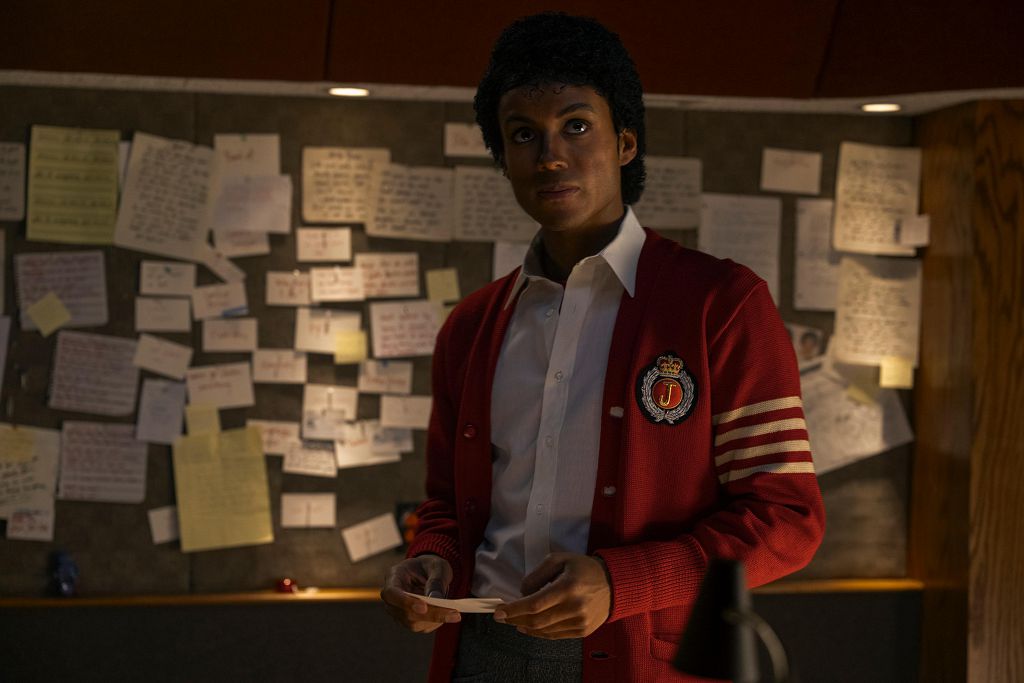
Unfortunately, my personal expectations failed in this film. Jackson was considerably a perfectionist, a highly demanding person of both himself and those around him, and an innovative artist. The note pinned to the wall of his recording studio, “Today I must achieve more than yesterday and less than tomorrow”, became his motto in his life philosophy. He spent years to perfect his songs working day and night until he achieved the best possible result. To avoid wasting time, he even kept a bed in his recording studio. He composed more than 100 songs to make a single album and only he chose 10 to 20 songs for the final album. All these details were not adequately emphasized. Regretfully, the film scarcely explores how his songs like “Billie Jean”, “Don’t stop ‘til you get enough” and “Bad” came into being. Each score has an interesting and arduous creative journey. These details can be available in online resources.
To put it mildly, the filmmakers were less than generous in exploring these aspects. Apparently, several historical events of Michael Jackson’s life and career between 1969 and 1988 were omitted in order to avoid substantial copyright licensing expenditures. As an example, I would point to “We Are the World” the charity single co-written by Michael and Lionel Richie in 1985. Many of the most celebrated musicians of the time involved in the creation of the abovementioned song and all funds raised through the single were donated to support humanitarian aid in Africa. Another point is that the making of Thriller—most successful and the best-selling album in history—is allocated only a few minutes of screen time in the film.
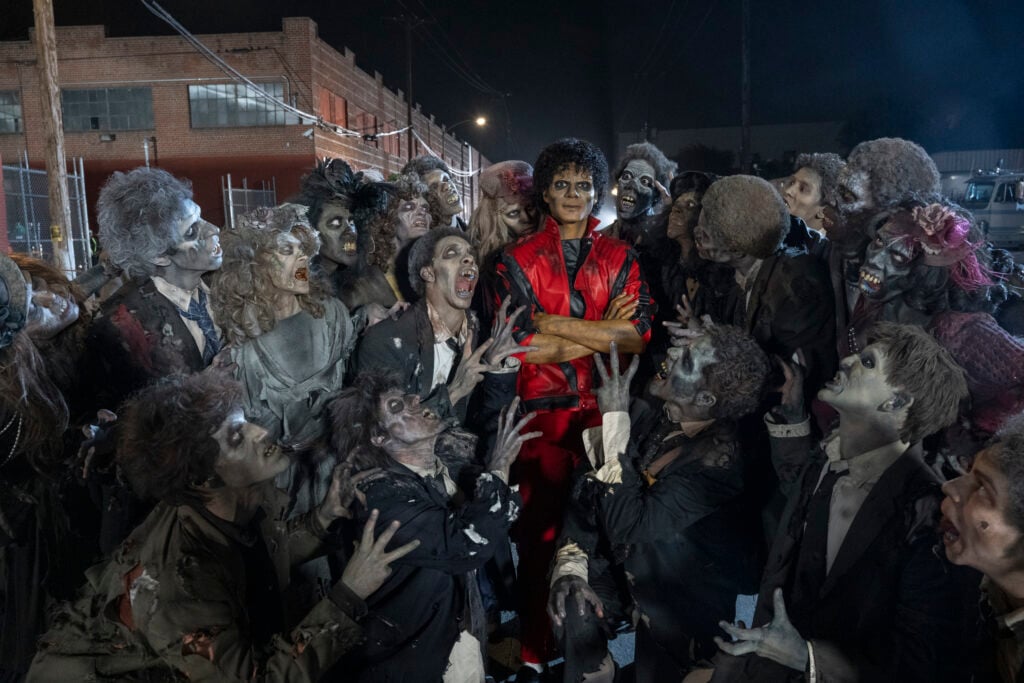
The composition of the title track, its eventual renaming as Thriller – the original version was Starlight, as well as the genesis of the idea, concept, lyrics, and musical composition behind Billie Jean would have enriched the narrative considerably (Detailed information on these topics is readily available through online sources.)
From an artistic standpoint, the performances are highly convincing, particularly Jaafar Jackson’s portrayal of Michael Jackson. Although this marks Jaafar Jackson’s debut performance and he had no previous experience in front of the camera, he delivers a remarkably convincing portrayal of his uncle’s personality. But to my mind, choreography is average at least; it could have been refined further. Juliano Krue Valdi’s acting of young Michael Jackson deserves a far more detailed discussion. Unlike Jaafar, he successfully embodied little Michael’s physicality (physical expressiveness), agility, different moods, childhood choreography, even the subtlest gestures of his hands and fingers with meticulous precision.
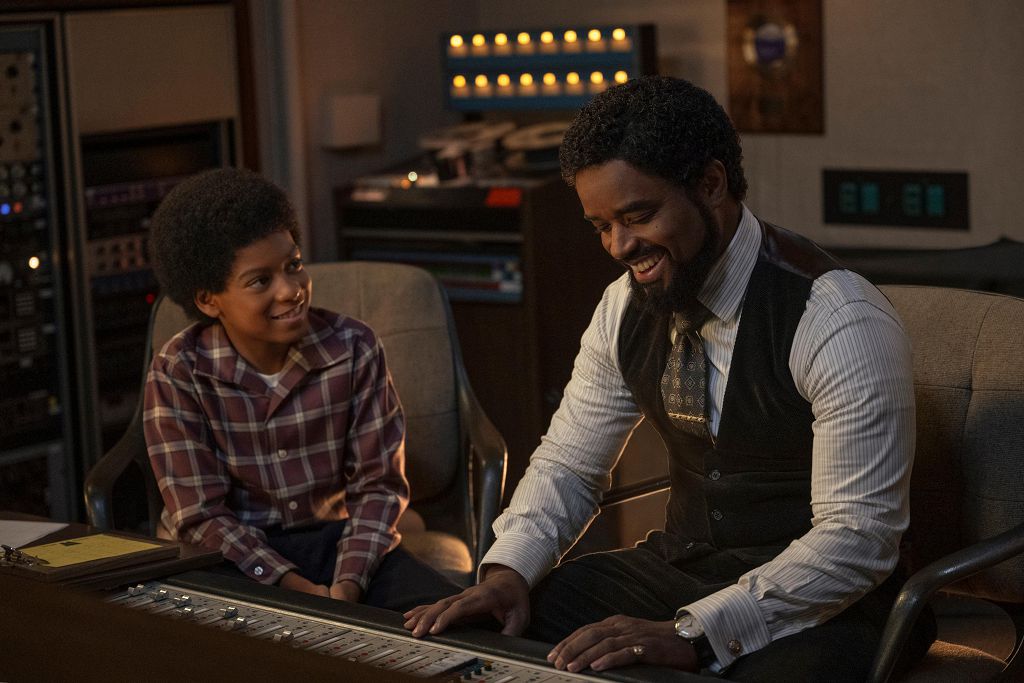
Colman Domingo and Nia Long in the roles of Michael Jackson’s parents handled their character portrayals. The actors cast as Michael Jackson’s siblings deliver flat performances, form a largely passive ensemble of characters having little impact on the development of the narrative. Perhaps this was a deliberate directorial choice aimed at emphasizing Michael’s portrayal more prominently on screen. However, the reality is quite the opposite. Though his siblings — particularly his elder sister La Toya — is depicted as a kind and a supportive figure for Michael, in real life they were just as harsh on Michael as their father was.
Incidentally, Joseph Jackson is presented as an excessively cruel and almost devilish figure in the film. Yes, that seems to have been the reality as well. Michael stated in his interviews that he lived in constant fear of his father. In addition, he confessed that he was beaten by his father not only with a belt but even also with a metal rebar rod. But in any case, it is unacceptable to portray the King of Pop’s father as a globally contempt figure. By the way, in 2009, in a letter to his father, Michael offered him to resume his role as a manager.
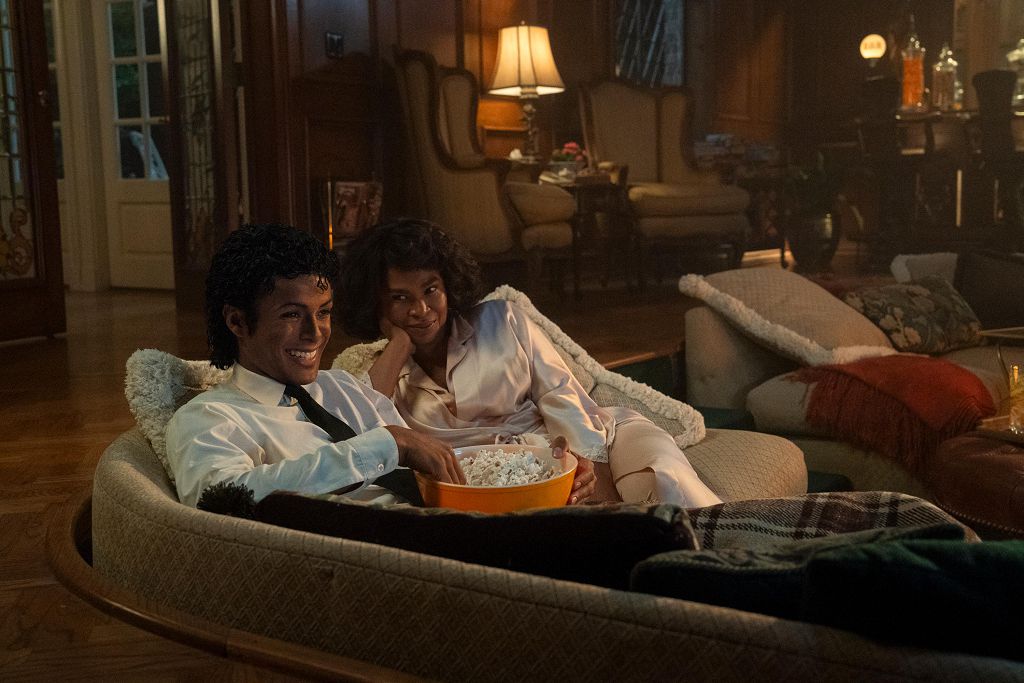
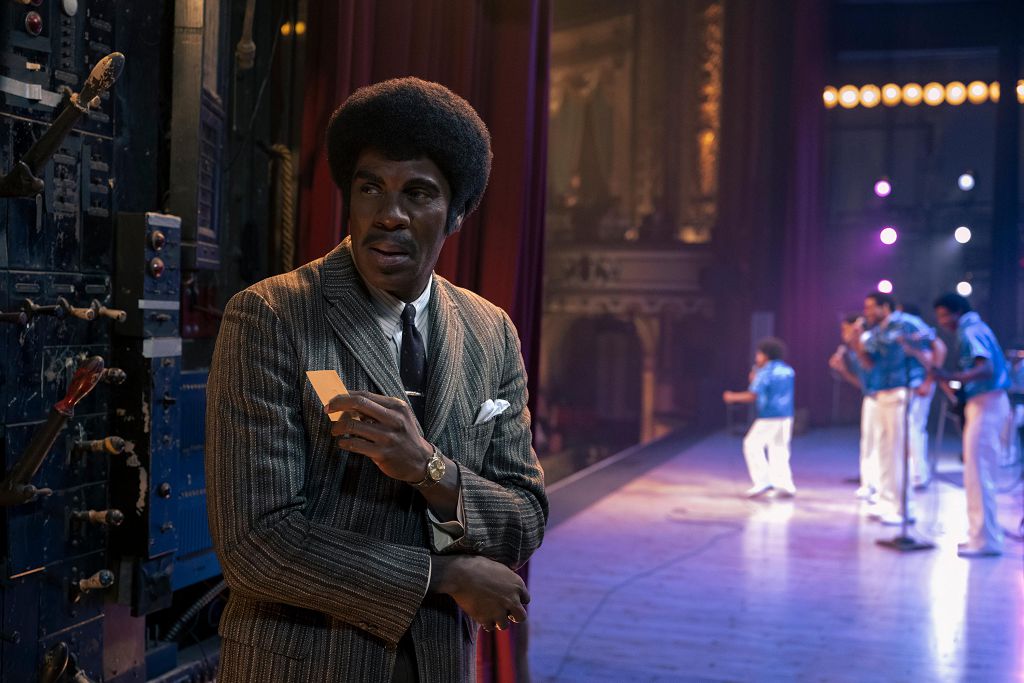
The letter includes the following passage: “Joseph, please come back. They’re stripping me of everything and trying to bankrupt me. If they fail, they may even kill me.” You can find the copy of handwriting version of the letter online and read it fully. It is my hope that Joseph’s image would be rehabilitated by accurately depicting the facts in the film’s sequel.
Let’s get straight to the aspects absent from the film. As I noted previously, all film critics around the world have awarded low critical scores grounding that Michael’s well-known legal proceedings were not depicted in the film. More precisely, this is one of the main reasons for low score. Even during the phase of post-production, filmmakers officially stated that the film would end with the first lawsuit filed against Michael Jackson in 1993. Following the announcement, the Chandler family demanded that scenes involving them to be immediately removed from the film by citing the agreement concluded that same year between them and Michael’s management and threatening to take legal action against the filmmakers. Due to the agreement, from 1993 onward, their names will be prohibited in any official material (literary works, feature films, and documentary productions) relating to Michael. Even I was aware of this issue; it is a mystery that Michael Jackson’s current management has overlooked this fact. For this reason, the studio postpones the film’s premiere and they start shooting an alternative ending for the film. Taking this fact into account, I find it difficult to understand the critics’ negative opinion of the film.
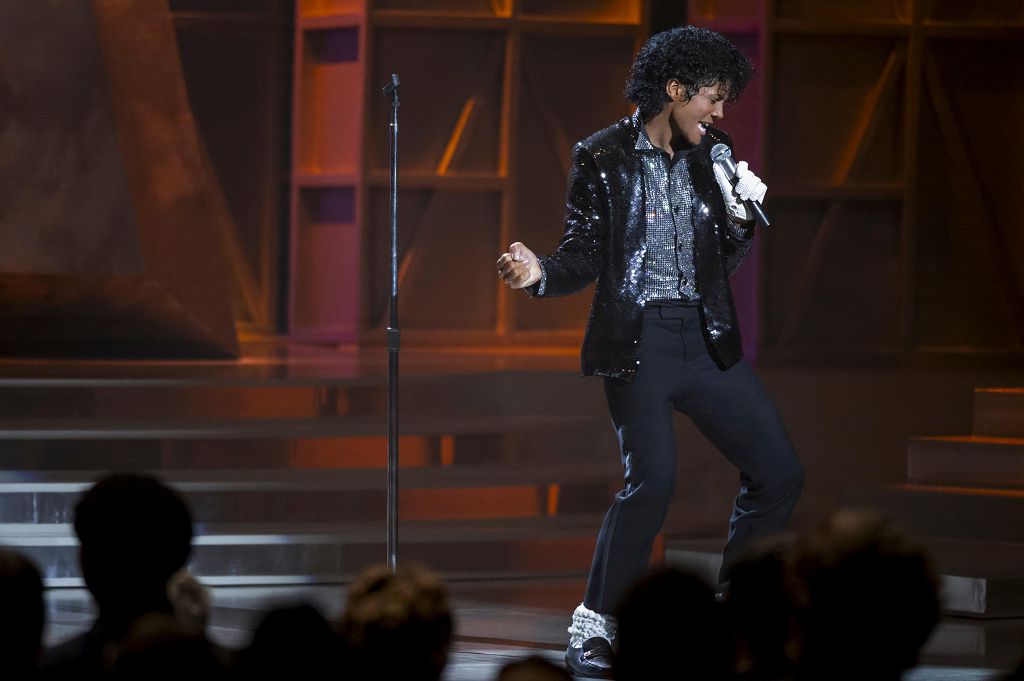
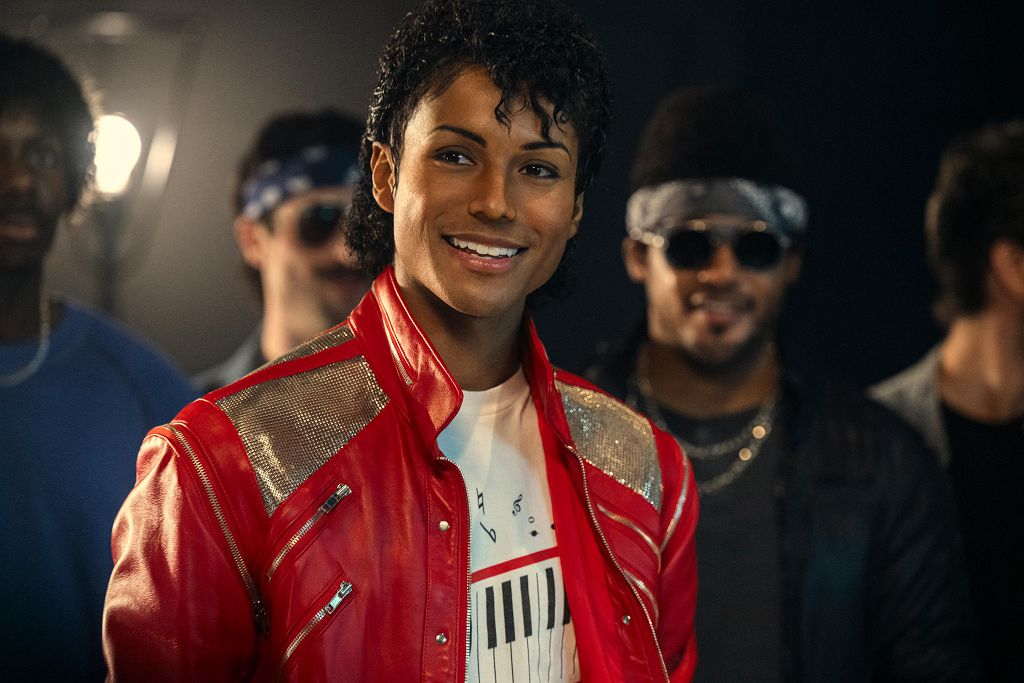
The critics notice that the film leaves the impression of being incomplete, structurally unfinished and an overly theatrical. It is worth reiterating that a single film—or even a two-part adaptation—cannot fully capture every phase of Michael Jackson’s life. Only a multi-part television drama would be capable of shooting. So I see, the film is structurally unfinished. But this was not what the producers aimed. Instead, they intended to produce a film to deliver to fans who had been “starved” of Michael Jackson’s screen presence for seventeen years. In that sense, they achieved the goal. By the end of its opening weekend, the film had already recouped its 200 US$ million production budget. According to the latest official box-office data, the film has already grossed 978 US$ million worldwide. Around the world, movie theatres have effectively become concert halls. As soon as a musical number begins, many fan – moviegoers rise from their seats and dance, feeling as if they are in a live concert. Even local cinemas experienced the same audience response. Each fan saw the film at least twice, and some watched it eight or more times. For this devoted fans army, there is no point in discussing the film’s flaws or weaknesses. The film contains only a handful of positive aspects. For example, the exact recreation of the 1983 “Motown 25” performance of “Billie Jean”, the rendition of “Thriller” music short film at the same setting as the original, makeup, costume design, period atmosphere and other elements are praiseworthy. Most importantly, what I specially appreciated was the use of newly arranged version of the songs. “Billie Jean”, “Don’t Stop ’Til You Get Enough” and other songs were re-arranged and were updated with contemporary sound. The vocal imitation of Michael Jackson by Jaafar Jackson has a distinctive impact. The filmmakers effectively captured the uniquely soft and inimitable quality of Michael Jackson’s voice to a high standard. The character of Bill Bray, who served as Michael Jackson’s childhood bodyguard and eventually became a father figure in his life, has sparked considerable discussion among audiences. By the way, it should be noted that Michael Jackson’s younger sister, Janet Jackson opposed the film’s portrayal of his character. Michael’s daughter, Paris, boycotted the film for uncertain reasons.
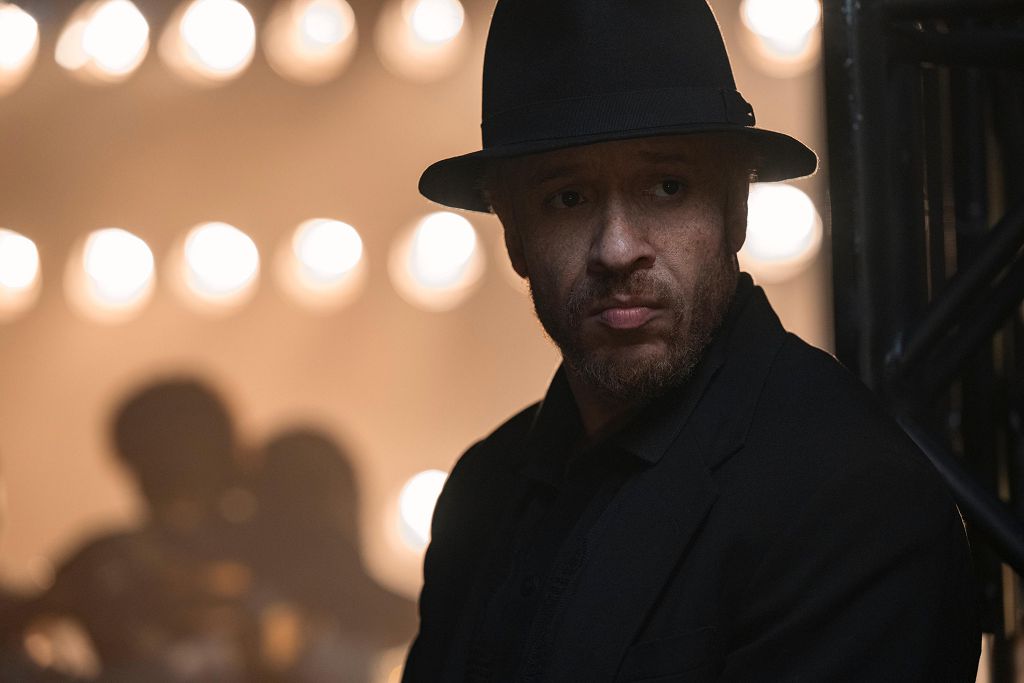
Nevertheless, the film Michael sheds the light on the singer’s creative legacy. As a result, his hits once again reached the top. The number of Michael Jackson’s listeners on Spotify has exceeded 10 million. 17 years after his death, the singer has gained new fans.
Ilgar Guliyev